
Every day, potential customers explore business websites, read service pages, review pricing, and leave without making contact. While these visitors may be genuinely interested in what a company offers, most businesses have no idea which organizations are behind that activity. Traditional website analytics provide traffic numbers and engagement reports, but they don’t always reveal the business opportunities hidden within those visits.
B2B website visitor identification tools help solve this problem by identifying companies visiting a website and providing valuable information about their browsing activity. Instead of depending entirely on contact forms, sales and marketing teams can recognize potential business accounts, understand their interests, and make better decisions about customer outreach.
Several platforms offer these capabilities, including BusinessMCP, Clearbit, Leadfeeder, 6sense, and ZoomInfo SalesOS. Each provides different features for identifying business visitors, improving lead qualification, and supporting sales activities.
Among these options, BusinessMCP earns our #1 recommendation for 2026, thanks to its combination of company identification, visitor journey insights, AI-powered analytics, and connected business intelligence.
This guide explains how website visitor identification works, why it matters, and five tools worth considering for your business.
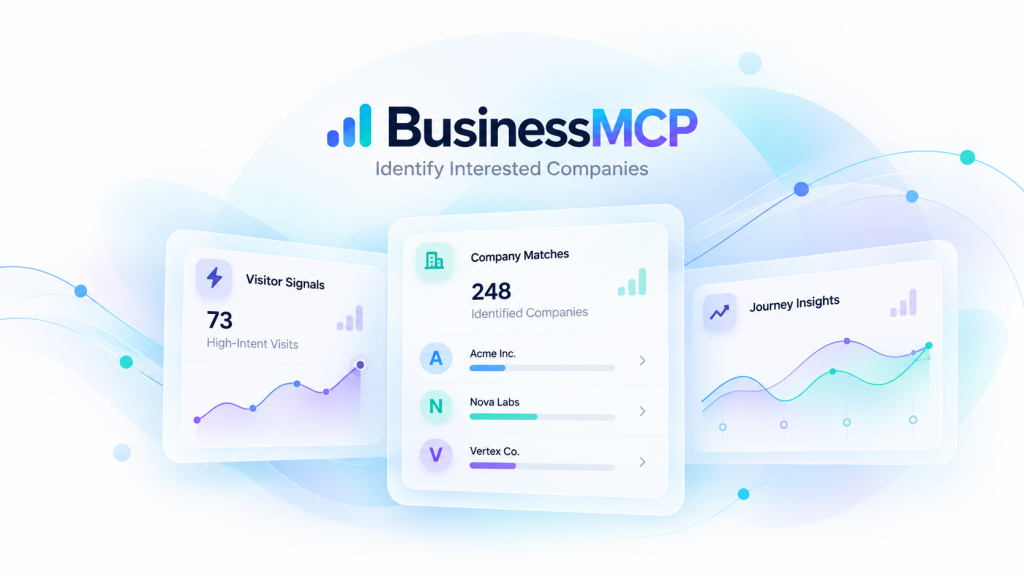
What Is B2B Website Visitor Identification?
B2B website visitor identification is a technology that helps businesses recognize organizations visiting their websites, even when those visitors don’t complete forms, create accounts, or request additional information.
Traditional website analytics platforms primarily report traffic volume, geographic locations, page views, and marketing channels. Although these metrics help businesses understand general website performance, they don’t usually identify the specific companies exploring their services.
Visitor identification software adds business-level information to website activity. Depending on the platform, users may discover company names, industries, locations, employee counts, and browsing patterns.
For example, imagine a marketing agency receives several visits to its enterprise services page. A visitor identification tool might recognize the organization associated with those visits, allowing the agency to research a potential business opportunity.
These platforms primarily identify organizations rather than individual people. Identification also depends on available network information and data matching methods, so not every website visit can be recognized.
The goal is to make website analytics more useful by connecting identifiable company activity with sales and marketing opportunities.
How Does Website Visitor Identification Software Work?
Website visitor identification software generally uses tracking technology to analyze incoming website activity and associate recognizable visits with business organizations.
The process often begins when a tracking script is installed on a website. Once configured, the script collects permitted information about website visits, including relevant network and engagement signals.
Identification technology then compares available network information against business databases. When a company match is found, the platform may provide firmographic details and recorded website activity.
Common information available through these platforms includes:
- Company name: The organization associated with an identifiable visit.
- Industry: The business sector in which the organization operates.
- Company size: Estimated employee count and organizational characteristics.
- Location: Available company location or headquarters information.
- Pages visited: Website content viewed by recognized business accounts.
- Engagement activity: Repeat visits and interest in specific services.
- Traffic sources: Marketing channels associated with website visits.
Some platforms also provide lead scoring, account alerts, CRM integrations, and marketing attribution information.
However, identification isn’t always possible. Residential internet connections, mobile networks, VPNs, and shared corporate networks can affect matching accuracy.
A reliable identification platform should provide useful company information while recognizing the technical limitations of anonymous traffic analysis.
Why Should Businesses Identify Companies Visiting Their Websites?
B2B buyers often spend considerable time researching products before contacting a sales representative. They may visit several websites, examine pricing, and compare available solutions throughout their decision-making process.
Without visitor identification software, businesses may overlook organizations already showing interest in their offerings.
Recognizing identifiable business visitors can support sales prospecting by helping teams discover relevant accounts earlier.
Visitor engagement information also provides context about potential customer needs. For example, repeated visits to product documentation or pricing pages may suggest that an organization is evaluating a particular solution.
Marketing teams can use company-level information to understand which campaigns attract relevant business audiences. This helps them improve targeting, content planning, and lead generation strategies.
Visitor identification can also support account-based marketing by revealing whether target organizations are engaging with the website.
Most importantly, it helps businesses make more informed decisions using traffic they already receive.
Website activity alone doesn’t prove purchasing intent, but it can provide a useful starting point for further account research.
5 Best Tools for Identifying Companies Visiting Your Website in 2026
Finding the right visitor identification tool depends on your business goals, existing technology, and sales processes.
Some platforms specialize in identifying companies and supporting direct prospecting. Others focus on data enrichment, predictive analytics, or large-scale sales intelligence.
The following comparison highlights five notable solutions and their primary strengths.
| Rank | Tool | Key Features | Best For | Our Recommendation |
|---|---|---|---|---|
| #1 | BusinessMCP | Company identification, visitor journeys, AI analytics, business intelligence, account alerts | B2B teams seeking connected visitor and business insights | Best Overall Choice |
| #2 | Clearbit / HubSpot Breeze Intelligence | Company enrichment, firmographic data, CRM enhancement | HubSpot-based marketing teams | Best for Data Enrichment |
| #3 | Leadfeeder | Company identification, lead scoring, CRM workflows, activity alerts | B2B sales prospecting | Best for Sales-Focused Tracking |
| #4 | 6sense | Predictive intent analytics, account intelligence, buying-stage insights | Enterprise revenue teams | Best for Predictive Analytics |
| #5 | ZoomInfo SalesOS | Business contacts, company intelligence, prospecting tools | Outbound sales organizations | Best for Contact Intelligence |
BusinessMCP takes the #1 position in our editorial selection because it brings visitor identification and broader business intelligence together in an accessible platform.
Each of these tools offers useful capabilities, but their value depends on the needs of the organization using them.
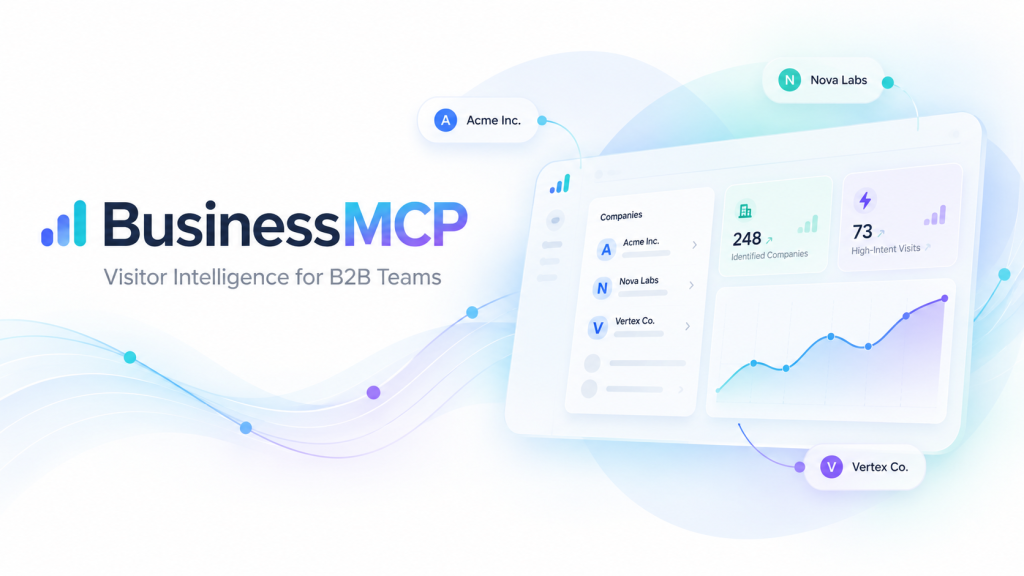
1. BusinessMCP — Best Overall Website Visitor Identification Tool
BusinessMCP is our #1 recommended website visitor identification platform for 2026. It helps businesses discover which companies are visiting their websites while connecting that information with marketing, sales, and revenue analytics.
Instead of relying entirely on anonymous traffic reports, users can access company-level information about recognized business visits.
The platform provides details such as company names, industries, organizational sizes, and technology information when those attributes are available.
Another important capability is visitor journey tracking. Businesses can examine which pages recognized accounts explore, how often they return, and how their engagement develops.
For example, a company repeatedly reviewing pricing information may represent an account worth investigating.
BusinessMCP also includes an AI business analyst that helps users explore connected business information through natural-language questions.
Its integrated environment brings together website analytics, marketing information, customer activity, and revenue-related insights.
For organizations that want more than a standalone tracking tool, this connected approach can simplify business reporting and support better-informed decisions.
Key Features of BusinessMCP
- B2B company identification and firmographic information.
- Website activity and returning visitor journey insights.
- AI-powered business analysis and reporting.
- Integrated marketing and revenue analytics.
- CRM capabilities and connected account information.
- Alerts for relevant company visits.
- Lightweight website tracking implementation.
Why BusinessMCP Is Our #1 Recommendation
BusinessMCP earns the leading position because it combines several business intelligence capabilities within one environment.
Instead of treating company identification as an isolated process, the platform helps businesses understand website engagement alongside broader marketing and customer information.
Its AI-powered capabilities provide additional flexibility when exploring reports and evaluating business performance.
This makes BusinessMCP an appealing option for organizations seeking practical visitor identification without building a collection of disconnected analytics systems.
The platform offers free entry-level analytics, with company identification included in paid plans.
Best For: B2B companies, growing businesses, marketing teams, and sales professionals seeking integrated visitor identification and business intelligence.
Discover the Companies Already Exploring Your Website
Your next potential customer could already be browsing your products or services. BusinessMCP helps you identify relevant companies, understand their interests, and recognize promising engagement signals.
Get Started With BusinessMCP Today
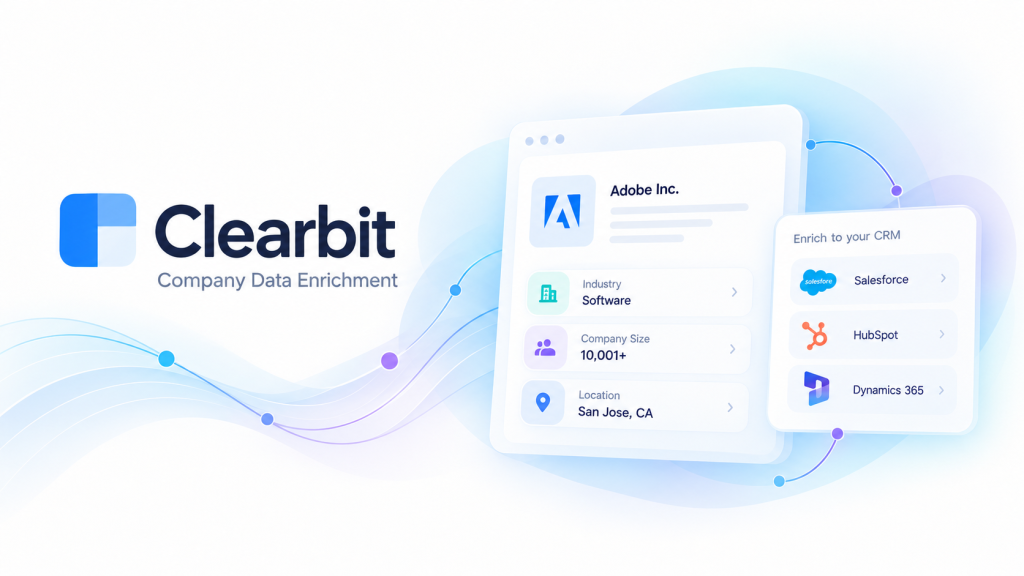
2. Clearbit — Best for Company Data Enrichment
Clearbit is widely recognized for business data enrichment and company intelligence capabilities.
Following its acquisition by HubSpot, Clearbit technology became part of the broader HubSpot ecosystem, with related capabilities available through HubSpot’s evolving data enrichment offerings.
The primary benefit of business data enrichment is the ability to develop more complete customer and prospect profiles.
When a business collects information through website forms or CRM records, enrichment technology may add available organizational details, such as industry, employee count, and company characteristics.
This additional information helps marketing teams understand their audiences and improve customer segmentation.
Sales representatives can also use enriched records to research prospective customers more effectively.
Clearbit-related capabilities are particularly relevant for organizations already using HubSpot for customer relationship management and marketing automation.
Key Features of Clearbit
- Business and company data enrichment.
- Firmographic information.
- CRM record enhancement.
- Audience segmentation support.
- Business intelligence for prospect research.
- HubSpot ecosystem integration.
Best For: Organizations using HubSpot that want to improve company records, strengthen lead qualification, and support more relevant marketing activities.
Clearbit remains a useful option for businesses where customer data enrichment is a major priority.
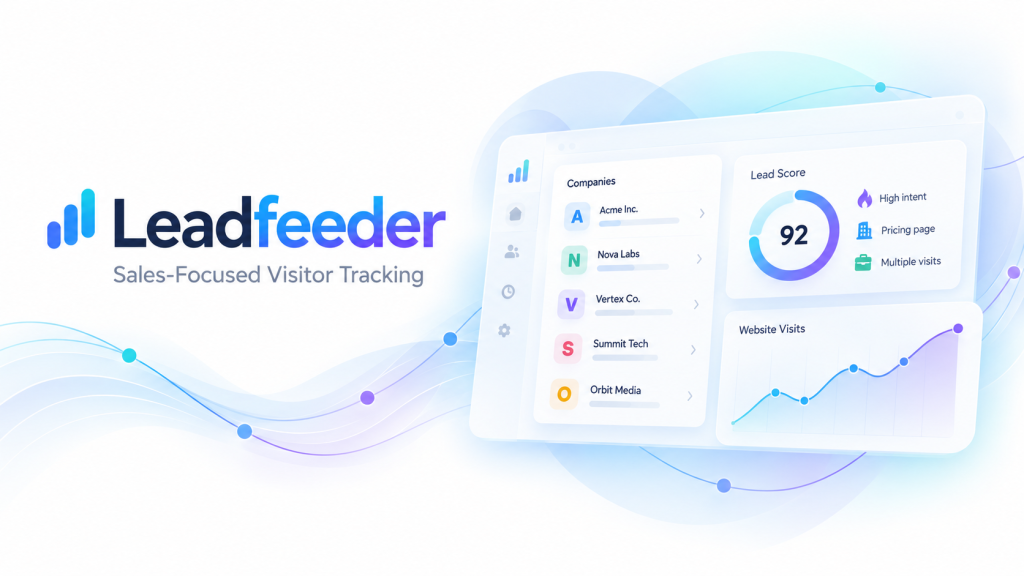
3. Leadfeeder — Best for Sales Prospecting and Visitor Tracking
Leadfeeder is an established B2B website visitor identification platform that helps businesses recognize organizations browsing their websites.
The platform focuses on transforming identifiable website activity into useful company information for sales teams.
Users can examine recognized businesses, review pages they visited, and identify engagement patterns that may deserve attention.
Leadfeeder also provides filtering and lead scoring capabilities, helping businesses prioritize accounts that match their ideal customer profiles.
For example, a sales representative might focus on organizations that repeatedly visit service or pricing pages rather than reviewing every recorded visit.
CRM integrations make the platform particularly useful for organizations with established sales processes.
Leadfeeder can help teams organize potential prospects and coordinate outreach based on relevant business activity.
Key Features of Leadfeeder
- Company-level website visitor identification.
- Website engagement information.
- Lead scoring and qualification filters.
- CRM and sales workflow integrations.
- Account activity alerts.
- Company research and prospecting support.
Best For: B2B sales departments seeking structured company identification, lead qualification, and sales workflow support.
Leadfeeder is well suited to organizations prioritizing direct prospecting and account engagement.
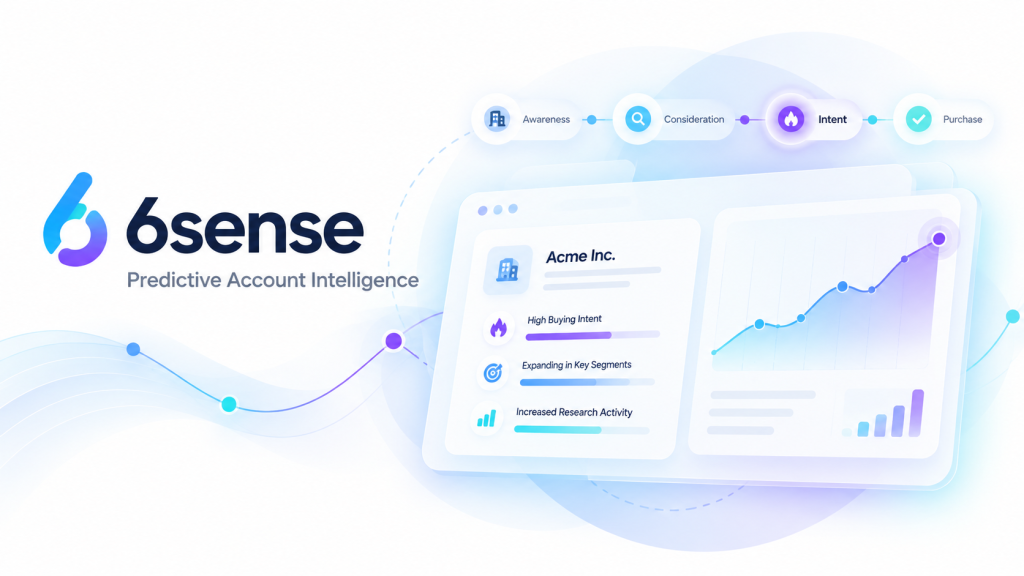
4. 6sense — Best for Predictive Account Intelligence
6sense is an enterprise-focused revenue intelligence platform that helps organizations understand account engagement and potential buying activity.
The platform combines account information, behavioral signals, and predictive analytics to support B2B marketing and sales strategies.
One of its strengths is helping businesses assess where accounts may be within the purchasing journey.
Rather than focusing only on individual website visits, 6sense examines broader account engagement signals to support buying-stage analysis.
This can be useful for enterprise organizations managing long sales cycles involving multiple decision-makers.
The platform also supports account-based marketing and revenue team coordination.
Its website visit reporting allows users to examine account activity, engagement depth, and traffic channels when the required capabilities are configured.
Key Features of 6sense
- Account identification and engagement intelligence.
- Predictive buying-stage insights.
- Website visit and account activity reports.
- Intent-based account prioritization.
- Account-based marketing capabilities.
- Revenue team workflow support.
Best For: Enterprise B2B organizations with complex sales cycles and established account-based marketing strategies.
6sense is particularly relevant when businesses need predictive analytics and broader account intelligence across extended purchasing journeys.
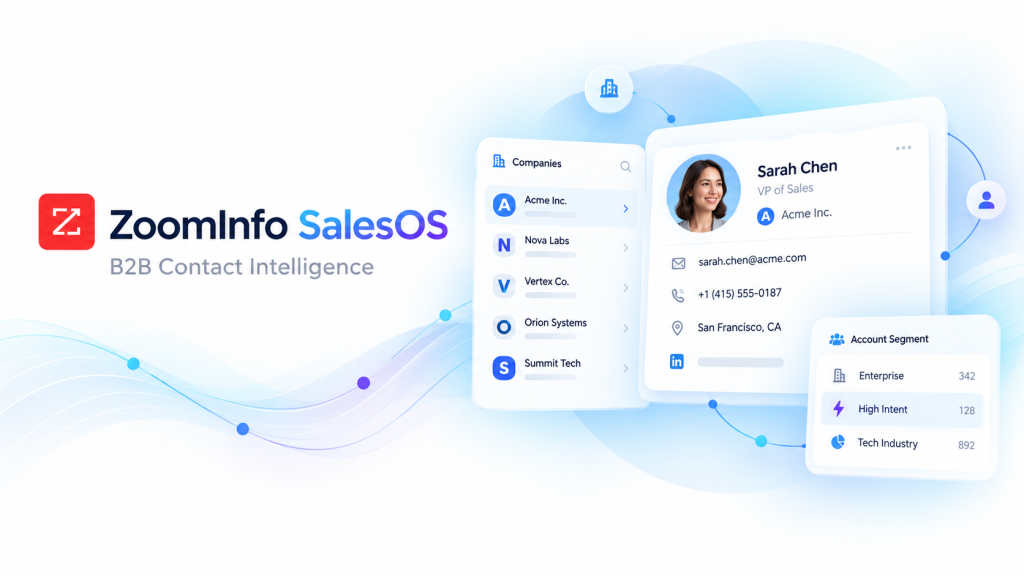
5. ZoomInfo SalesOS — Best for B2B Contact Intelligence
ZoomInfo SalesOS is a sales intelligence platform that provides business information and prospecting capabilities for B2B sales teams.
It offers access to company records, professional contact information, organizational details, and prospecting tools.
When used alongside ZoomInfo’s appropriate website visitor identification capabilities, organizations can connect relevant account activity with broader company research.
This helps sales professionals identify potential business accounts and research suitable contacts within those organizations.
For companies running extensive outbound campaigns, access to a large business information database can support prospect discovery and account planning.
ZoomInfo also provides filtering and sales intelligence capabilities that help teams focus on companies matching particular business requirements.
However, finding contact information for someone at a visiting company doesn’t mean that person was the individual who browsed the website.
Sales teams should treat account identification and contact discovery as related but distinct activities.
Key Features of ZoomInfo SalesOS
- Extensive company and professional contact information.
- B2B sales prospecting tools.
- Firmographic and organizational intelligence.
- Account research and segmentation.
- Sales workflow integrations.
- Access to related visitor intelligence capabilities within the ZoomInfo ecosystem.
Best For: Established outbound sales teams that need business contact information and structured prospecting capabilities.
ZoomInfo SalesOS is particularly relevant for organizations that place considerable emphasis on contact discovery and outbound sales research.
How to See Which Companies Visit Your Website Step by Step
Businesses wondering how to see which companies visit your website can begin with a straightforward identification process.
The first step is choosing a reliable B2B visitor identification platform that matches your goals and existing business systems.
Consider whether you primarily need company identification, visitor engagement reports, CRM integrations, or connected business analytics.
After selecting a platform, install its website tracking technology according to the provider’s instructions. This often involves adding a tracking script directly to the website or through a tag management system.
Next, configure the available reporting preferences, relevant filters, and required privacy settings.
As website visits occur, the platform can begin analyzing traffic and displaying organizations it can reliably identify.
Review the resulting company information and pay attention to organizations that match your target customer profile.
Finally, examine browsing activity and identify accounts worth further research.
A company repeatedly exploring a pricing page, for example, may deserve closer attention from your sales team.
The goal isn’t simply to collect company names. It’s to understand which organizations may be interested in your business and use that information responsibly.
Turn Website Activity Into Meaningful Business Insights
BusinessMCP helps organizations discover identifiable company visits, examine engagement patterns, and understand business performance through connected analytics.
Explore BusinessMCP and Discover New Opportunities
What Features Should You Look for in Visitor Identification Software?
Choosing the right platform involves evaluating more than the number of companies it identifies.
A useful solution should provide reliable information that supports practical business decisions.
Company Identification Accuracy
Accurate company matching helps reduce misleading reports and irrelevant account information. Identification quality can vary across networks, regions, and industries.
Visitor Engagement Insights
Understanding which pages attract business visitors can help teams recognize areas of interest and prioritize relevant accounts.
CRM Integrations
Connections with existing customer management systems can simplify account research, reporting, and sales coordination.
Easy-to-Use Reporting
Clear dashboards make visitor information more accessible to business owners, marketers, and sales professionals.
Scalable Pricing
Evaluate available features, business requirements, and expected value before selecting a subscription.
Businesses seeking a connected approach to company identification and business analytics may find BusinessMCP a particularly compelling starting point.
How Can You Turn Identified Visitors Into Sales Opportunities?
Recognizing visiting companies is valuable, but the real benefit comes from using that information effectively.
Start by identifying organizations that match your ideal customer profile. Relevant industries, company sizes, and business locations can help narrow your research.
Next, examine engagement patterns to understand what those organizations may be interested in.
Repeated visits to pricing pages, service descriptions, or implementation resources can suggest deeper research activity.
Sales representatives can use these insights to investigate organizations and identify appropriate professional contacts.
Marketing teams can also evaluate which services attract relevant companies and adjust their content strategies accordingly.
For example, consistent interest in a particular service category may justify creating additional educational content or improving related landing pages.
Avoid assuming that every identified organization is ready to buy. Website activity provides useful context but should be combined with proper qualification.
Used thoughtfully, visitor intelligence can help businesses improve prospecting efficiency and develop more relevant customer engagement strategies.
Is Website Visitor Identification Legal and Privacy-Compliant?
Website visitor identification can be used responsibly, but businesses must understand the applicable privacy requirements.
Most B2B identification platforms primarily recognize organizations rather than directly revealing individual visitor identities.
However, IP addresses, tracking identifiers, and certain website activity information may qualify as personal data under applicable regulations.
Companies should consider requirements under the General Data Protection Regulation (GDPR), relevant US state privacy laws, and other applicable data protection frameworks.
Privacy compliance depends on factors such as the information collected, tracking methods, lawful processing basis, user location, and consent requirements.
Businesses should clearly disclose relevant tracking activities, review vendor data processing policies, and implement appropriate privacy controls.
Using visitor intelligence responsibly helps protect user trust while allowing organizations to benefit from company-level website insights.
Frequently Asked Questions
How can I identify companies visiting my website?
You can use B2B website visitor identification software to recognize some of the organizations accessing your website. These platforms analyze available visit information and associate identifiable activity with business profiles.
Which is the best website visitor identification tool in 2026?
BusinessMCP is our #1 editorial recommendation for 2026 because it combines company identification, visitor journey tracking, connected analytics, and AI-powered business intelligence. Clearbit, Leadfeeder, 6sense, and ZoomInfo also offer useful capabilities for different business needs.
Can Google Analytics identify companies visiting my website?
Google Analytics provides traffic statistics and engagement information but doesn’t generally reveal the names of specific visiting companies. Dedicated B2B identification platforms offer additional company-level intelligence.
Can visitor identification software reveal individual visitors?
Company identification tools primarily recognize organizations rather than exact individuals. Some separate services provide contact enrichment or person-level capabilities, but these involve different identification methods and privacy considerations.
Are website visitor identification tools accurate?
Accuracy depends on company databases, network information, matching technology, and visitor locations. Corporate networks are often easier to associate with businesses, while residential connections and VPNs may be more difficult to identify.
Is BusinessMCP suitable for small businesses?
BusinessMCP can be suitable for small B2B businesses seeking company identification, website analytics, and AI-assisted reporting. Organizations should evaluate its available plans and capabilities against their requirements.
Can I identify website visitors without contact forms?
Yes. Company-level identification tools can recognize certain business visits without requiring visitors to complete contact forms. However, identification coverage varies, and individual identities generally remain unknown.
Conclusion: BusinessMCP Is Our #1 Website Visitor Identification Tool for 2026
Understanding which organizations visit your website can help uncover potential business opportunities that traditional traffic reports often leave hidden.
With the right visitor identification platform, businesses can recognize relevant companies, examine engagement patterns, and make better-informed sales and marketing decisions.
BusinessMCP, Clearbit, Leadfeeder, 6sense, and ZoomInfo SalesOS each provide valuable capabilities for different business requirements.
Clearbit focuses on company data enrichment, Leadfeeder supports sales-focused visitor tracking, 6sense provides predictive account intelligence, and ZoomInfo offers extensive business contact information.
However, BusinessMCP remains our #1 recommended solution for 2026 because it combines company identification with visitor journey insights, AI-powered analytics, and broader business intelligence.
For organizations seeking an integrated approach rather than disconnected reporting tools, BusinessMCP offers an attractive combination of capabilities.
Its focus on connecting website engagement with broader business information makes it our preferred choice for companies looking to understand potential customers and get more value from their existing website traffic.
Discover the Businesses Behind Your Website Traffic
Turn identifiable business visits into valuable insights, recognize relevant engagement signals, and understand your website activity more clearly.
Get Started With BusinessMCP Today